
Dear Hongrang
November 13, 2025
Watch movie:

*Hosted on partner site
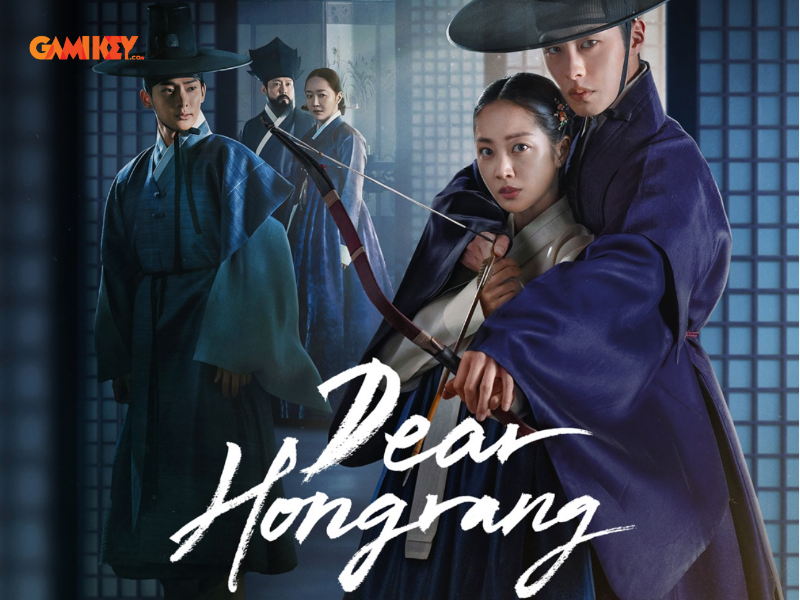
Dear Hongrang (2025)
“A brother returns, but the truth remains lost in the shadows.”
From the misty mountains of late-Joseon Korea comes one of the most haunting and poetic K-dramas of the year — Dear Hongrang (2025). Blending mystery, romance, and psychological intrigue, this Netflix historical series weaves a tale of identity, betrayal, and the blurred lines between love and duty.
A MYSTERY BORN IN THE PAST
Twelve years ago, the heir of the wealthy Sim family, young Hongrang, vanished without a trace. His disappearance left the household fractured — his mother consumed by grief, and his half-sister Jae-yi living in the shadow of a brother who might never return.
Then, one day, a stranger arrives. He claims to be Hongrang — older, quiet, bearing the scars of hardship, yet unable to recall the past. His sudden return sends ripples through the family, rekindling old wounds and unearthing dangerous secrets buried deep within the walls of the Sim estate.
As Jae-yi struggles between doubt and longing, she begins to sense that the man claiming to be her brother may be more than he seems — and that the truth, once uncovered, could destroy them both.
CHARACTERS THAT BLEED HUMANITY
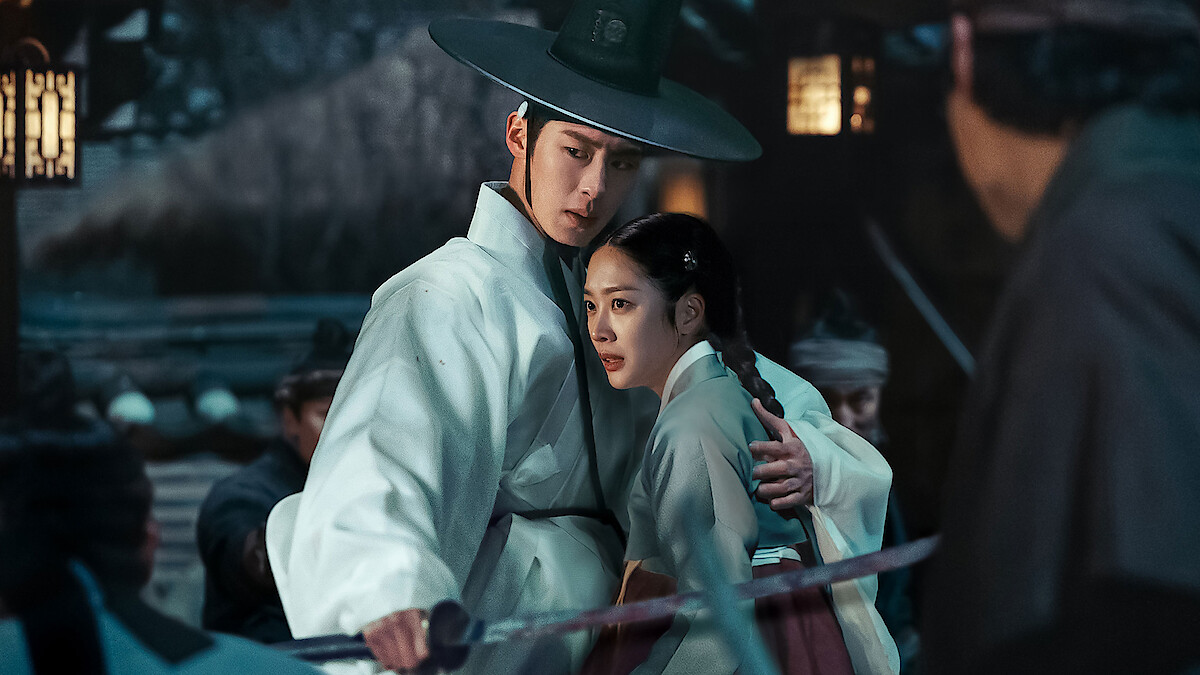
At the heart of Dear Hongrang lies the powerful dual performance of its leads. Lee Jae-wook delivers a mesmerizing portrayal of the enigmatic Hongrang — a man torn between two identities, haunted by memories that might not be his own. His quiet intensity gives the character both fragility and menace, making every scene pulse with uncertainty.
Opposite him, Jo Bo-ah shines as Sim Jae-yi, a woman bound by duty yet guided by emotion. Her performance radiates a delicate balance of suspicion and sorrow — the embodiment of a person who wants to believe, even when belief could destroy her.
Veteran actress Uhm Ji-won adds gravitas as Min Yeon-ui, the family matriarch whose iron will conceals a heart drowning in guilt. Every character moves like a piece on a chessboard — trapped in a game where love, greed, and survival intertwine.
VISUAL BEAUTY AND EMOTIONAL DEPTH
Visually, Dear Hongrang is stunning — a slow, deliberate feast for the eyes. Each frame feels like a painting come to life: candlelit halls, mist-covered gardens, and hanboks flowing like whispers through the dark. The cinematography captures the quiet ache of the Joseon era — elegance laced with melancholy.
The director crafts a world where silence speaks louder than words, and every gesture hides meaning. The subtle use of light and shadow transforms ordinary moments into poetic symbols of deceit and desire. The soundtrack — haunting strings and melancholic flutes — lingers like the echo of an unanswered prayer.
THEMES OF IDENTITY AND DESIRE
Beneath its historical veneer, Dear Hongrang explores modern, universal questions: Who are we when our name and history are taken from us? Can love survive when built upon lies? And how far will we go to protect the illusion of happiness?
The relationship between Hongrang and Jae-yi is the emotional core of the story — a bond that hovers dangerously between affection, suspicion, and something deeper. Their connection forces the audience to question morality itself: when the heart defies bloodlines, is it sin… or salvation?
RECEPTION AND LEGACY
Since its release, Dear Hongrang has captivated global audiences with its rich storytelling and emotional complexity. Viewers praised its elegance and haunting performances, calling it a “Korean gothic masterpiece.” Though some found its pacing slow and its secrets heavy with symbolism, the series earned admiration for daring to blend romance, mystery, and psychological tension in a historical setting.
Dear Hongrang doesn’t simply tell a story — it invites the viewer into a labyrinth of truth and illusion. Every episode peels away another layer of deception, until what remains is not the comfort of answers, but the pain of recognition.
A TRAGIC SYMPHONY OF SECRETS
In the end, Dear Hongrang (2025) is more than a period drama — it’s a meditation on memory, power, and the human heart’s hunger for connection. It shows how love can be both a sanctuary and a curse, how family can be both home and prison, and how truth, once uncovered, can shatter even the strongest soul.